
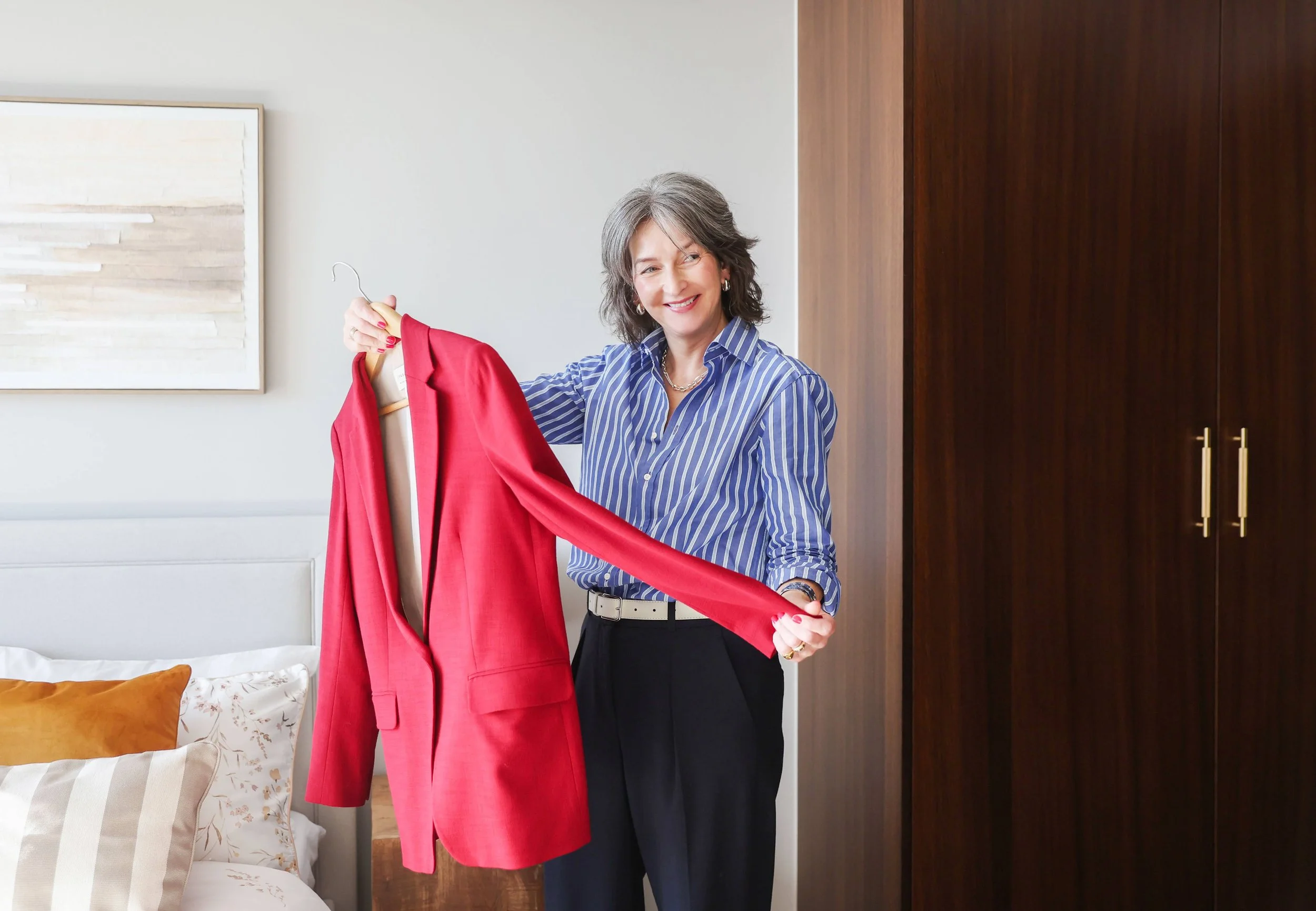
Spring has finally sprung, and many of us face the same challenge - you’re standing in front of a full wardrobe, looking at a tired collection of clothes that don’t inspire or excite you, and you’re feeling that you have nothing to wear. It’s time to breathe life and new energy back into your everyday outfits. This isn’t about buying a whole new set of clothes, but making a few tweaks and changes to existing outfits and being intentional with your Spring styling to give it a new lease of life.
This is your guide on how to edit and organise your wardrobe and fall back in love with your clothes!
Amanda Manson is a Home Organiser at Orderly Office and Home and she has been helping people to simplify, streamline and organise their spaces since 2011. She is based in Sale, South Manchester and works with busy people who want more order in their space and less stress in their lives.
We have collaborated on this guide to curating and organising your wardrobe for spring. First, my tips on editing and curating the contents, followed by Amanda’s easy to implement advice on getting it organised!
—
Commit Some Time
By making a bit of effort now to get organised, you’ll spend much less money and time overall, and you’ll much happier with your wardrobe. Reviewing it piece-by-piece, and as a whole collection, makes it a lot easier to create something that is functional and cohesive, rather than just a mishmash of individual items that don’t work together.
—
1. Set Your Intentions
Use this time to think about your personal style and ask yourself - who were you last year, who do you want to be this year, and does your clothing align with that version of you? This will help you to know if your clothing feels right for who you are now and the demands of your lifestyle. Has anything changed over the last 12 months, such as starting a new job, significant weight loss or gain or beginning a new relationship? This might well impact the kind of clothes you need in your wardrobe. Do you want to create a capsule wardrobe of staples, where each piece can be mixed and matched to work together? Do you want to get rid of old, boring items that no longer fit your style? Or maybe you just need to streamline the 15 pairs of blue jeans and 18 black tops you own! Having a clear goal for your wardrobe is key.
—
2. Create an Inspiration Board
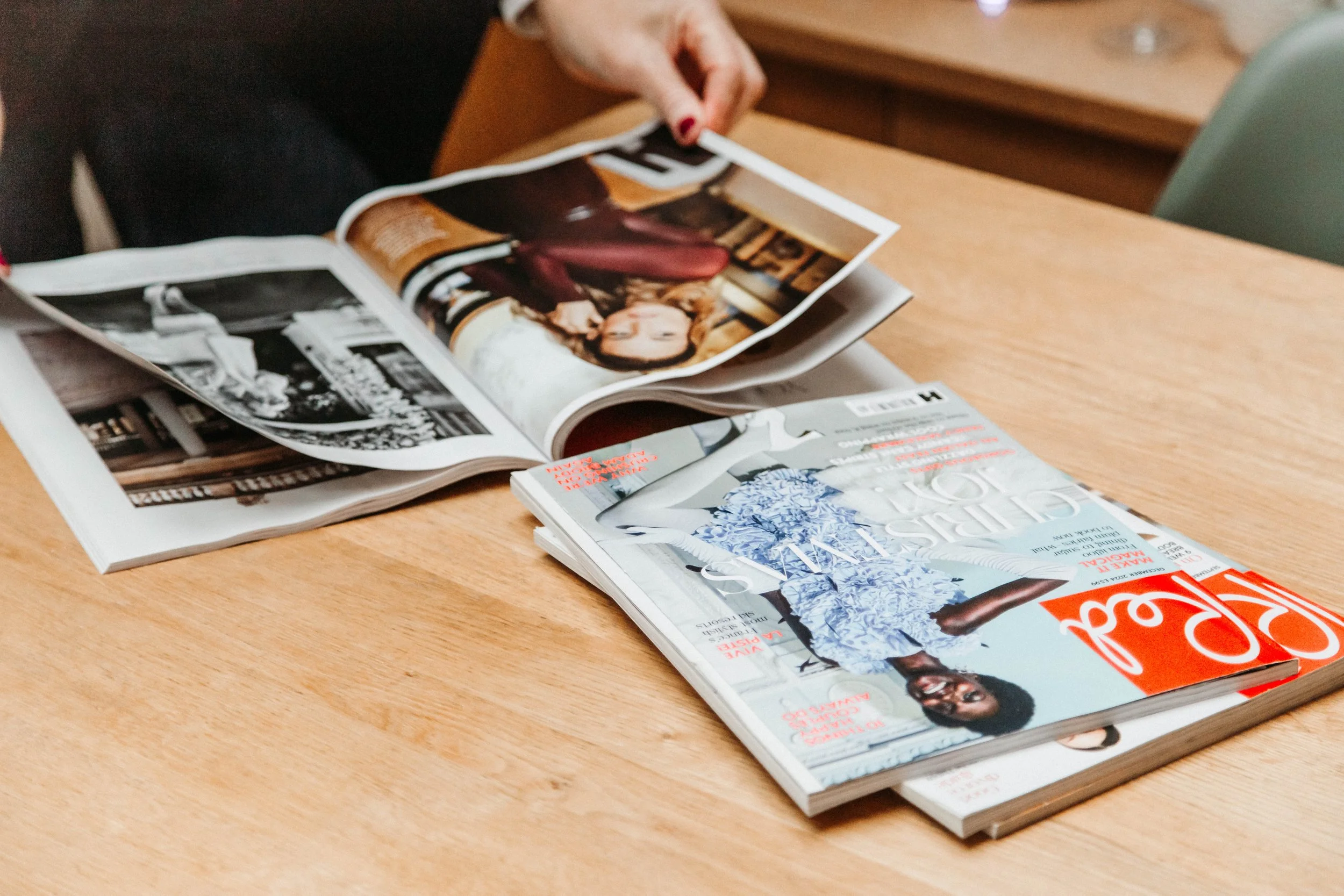
This is the fun part! Grab a cup of coffee and then give yourself at least a couple of hours to work out what overall look you want to go for this season. Colourful or minimalist? Boho or elegant? What colours do you want to wear, which materials, which silhouettes? What do you want your go-to looks to be, do you need outfits for upcoming special occasions?Browse Pinterest, your favourite blogs and online shops, and save images that appeal to you in some way on a new Pinterest board, folder on your laptop/tablet or a real-life mood board. Always keep your lifestyle in mind and focus on collecting inspiration and outfit ideas you could replicate and build in to your wardrobe this season.
—
3. Review Every Piece
Next, take everything out of your wardrobe. Yes, everything! This helps you see exactly what you’re working with and makes it easier to decide what stays and what goes.
As you work through, sort each one into separate piles -
Keep - The no-brainers, the pieces you love, wear all the time and make you feel like the best version of you! (Include occasional wear or pieces of sentimental valuehere, but store separately if possible).
Sell - Items that were expensive and in great condition but just don’t work or fit anymore. It might be just what someone else is looking for!
Donate - For items that you’ve worn but maybe aren’t worth listing online, your local charity shop will welcome them.
Alter/repair - For the trousers that are a little too long or the coat that’s missing a couple of buttons. Take them to the tailor to make them wearable and you might fall in love with them again!
TBC - There should only be a couple of items here. Set a deadline to decide on them - DON’T hold onto them forever. Try the reverse hanger method, when you turn it the back the right way around if you wear the item. At the end of the season, if the hanger is still the wrong way around, the item goes.
—
4. Curate Your Outfits
Once your wardrobe is edited and organised, think about how you’ll work with it. Create a few go-to outfits for each aspect of your life, e.g. work, daytime, evenings out. Remember that great styling isn’t just about pairing the right main pieces with each other, but also about all the elevating touches - belts, jewellery, whether you tuck your shirt in or roll up the hems of your jeans. Think about the details! Experiment a bit and take pics on your phone of your favourites for easy reference later.
Anything you think is missing or needs updating or replacing comes next…
—
5.Create a Shopping List
A wardrobe edit isn’t an excuse to go on a shopping spree, replacing the old pieces with new pieces you’ll never wear! Instead of just hitting the shops, work out which few pieces would make the biggest difference to your existing wardrobe. This is your priority shopping list. Maybe your jeans need a serious update, you might not have enough everyday tops now , or you might need a new pair of smart trainers to elevate your casual look. Sometimes investing in just one or two new pieces can open a whole host of outfit possibilities!
Once you know which types of items you need, you can start to fill in the detail, i.e. which colour, shape, fabric, etc. Look back at the inspiration board you created and work out which actual pieces would allow you to create these looks. You can add a few more things to your list, like jewellery and other accessories that aren’t key wardrobe ‘building blocks’ but add personality to your spring style. Do think these things through beforehand, to prevent impulse buys and make what you buy works with your style and the rest of your clothes.
—
AMANDA’S TIPS ON organisING your curated wardrobe
1. Use your most valuable space properly
Eye-level and easy to reach areas are your friends - keep your most-worn items here. Less frequently used or occasional wear can go higher up, further back, or even in a second wardrobe if you have the space.
—
2. Group like with like
Grouping helps wardrobes feel instantly calmer and can make outfit building quicker because you can see your options clearly, reducing decision fatigue on busy mornings. You might work with tops together, trousers together, dresses together, and shoes by type. Alternatively, you may prefer to ‘think in outfits’ and keep your favourite combinations close together, or store accessories with the outfits you wear them with. Whatever works for you!
—
3. Don’t overfill rails (& do match your hangers - this is a game-changeR!)
Full wardrobes feel chaotic. Aim for breathing space between hangers so you can see what you own, move things around easily, and avoid items getting crushed. If you need to fight to get something out, your system’s not working. Use the same style of hanger to save space and keep clothes sitting at the same height. I recommend slim velvet hangers for many items - ideal for maximising space without things slipping off. Bulkier or heavier items like jackets or jumpers work better with a curved wooden hanger to protect the structure and shape.
—
4. Treat drawers like compartments, not dumping grounds
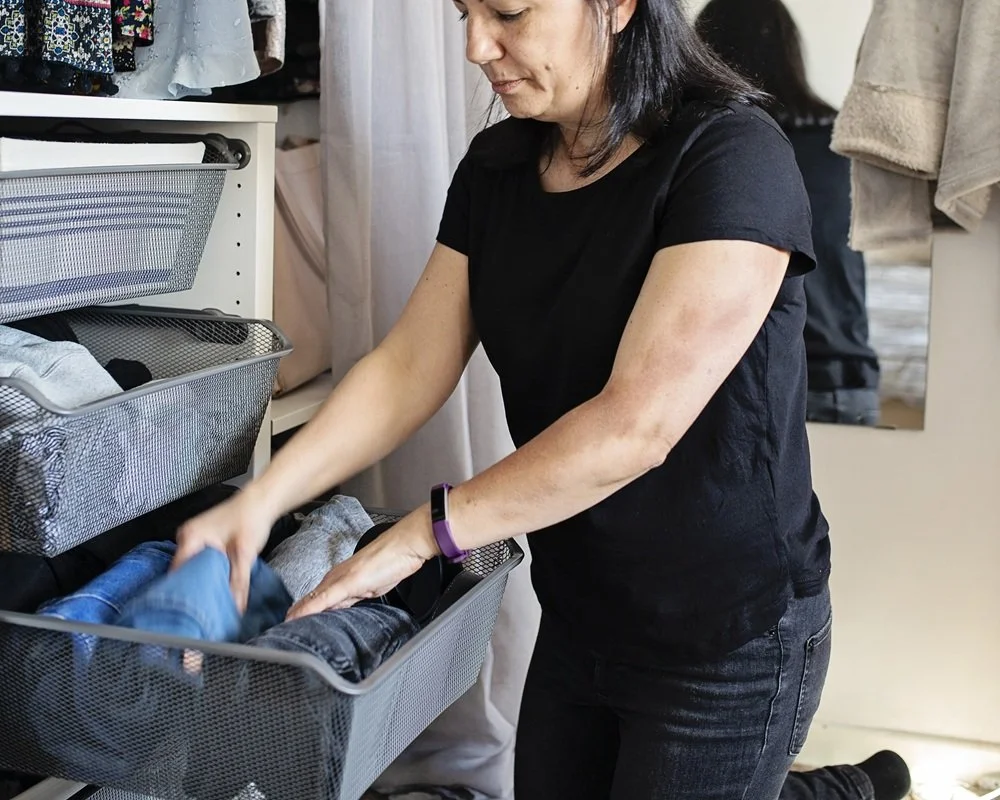
Drawers work best when there’s an element of structure. Consider simple dividers for smaller items (underwear, socks, accessories), or soft laundry bags for delicate items to avoid snags. Try not to overfill - drawers should close easily and not look or feel overwhelming when opened.
—
5. Keep it simple and give every clothing category a clear ‘home’.
This helps to keep things organised long-term as if something doesn’t have a home, it’ll always end up in the wrong place. Often people have systems that are just too fiddly to keep up with, so keep categories simple and use one place for each: gym wear, nightwear, bags, etc. Forget complicated folding methods too and if you can, avoid piling things on top of each other as hidden clothes become unworn clothes! Your goal is to see what you own and if something’s easy to take out, it needs to be just as easy to put away.
—
6. Give shoes a proper “home”
Shoes should be visible and easy to access (not buried in boxes). Out of sight, they’re often forgotten. Line up on shelves/shoe racks or use clear boxes and keep your everyday pairs within easy reach – or better still, near your entryway. The easier they are to find, the more likely they’ll be worn.
—
7. Keep accessories contained and visible
Accessories without a clear home can drift. Use small trays, hooks, or shallow boxes to group items by type (all belts/scarves/earrings/etc together). Keep frequently used items within arm’s reach so you can grab and go. If needed, consider lightly stuffing handbags so they hold shape.
Do you have any other tips for keeping your wardrobe under control? I’d love to know!
Ultimately remember that a well-organised wardrobe isn’t always about having less — it’s about making what you have easier to wear. And that’s something that Karina can attest to, I’m sure!